How Does a Custom Deck Design Process Work From Initial Consultation to Finished Build?
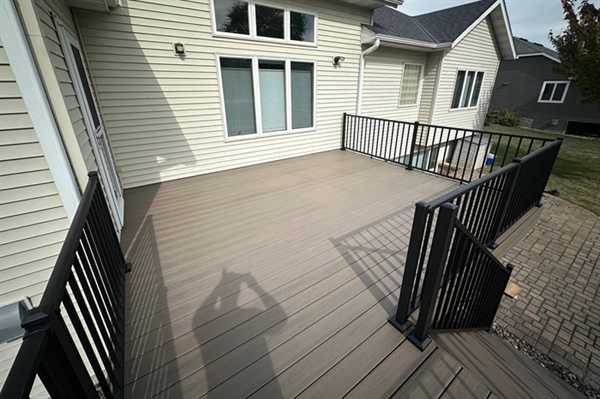
Understanding how a custom deck moves from the earliest conversation to a finished structure helps homeowners plan with confidence and avoid surprises. BigDeck.com has decades of experience building decks of various sizes and layouts, and the complete process involves detailed planning, site evaluation, material selection, engineering review, and structured project management.
Each stage has its own purpose, and knowing what happens at every point allows a homeowner to make informed decisions that influence layout, cost, durability, and long-term performance. Many clients begin the journey wanting clarity on timelines, design choices, feasibility limits, and how their space affects the finished build.
The early consultation sets the direction, and later steps build on the details gathered in that first meeting. Your key questions are what will outline the most important stages of the project. In the following sections, we'll break down each one with the depth an experienced homeowner or construction-savvy reader expects, giving a clear picture of how custom decking moves from concept to completion.
Key Questions the Design Team Asks During the First Meeting
The initial design meeting focuses on gathering technical and functional data. Designers typically start with intended use: whether the deck will support dining, lounging, grilling, hot tubs, or multi-level transitions.
This determines expected load requirements, framing considerations, and rail system selection. They also ask about long-term plans such as future expansions, screened-in sections, or integration with landscaping or patios. These questions help guide structural preparation and set early expectations for engineering needs.
Another area of discussion involves the property's architectural style and restrictions. Designers often request information about HOA regulations, municipal codes, and required setbacks because these parameters shape what can be built. They also evaluate sunlight exposure, privacy concerns, and preferred traffic flow from interior doorways to the outdoor space. Each factor supports accurate layout modeling, which serves as the foundation for cost estimates and building feasibility.
The team will also ask about material preferences, lifespan expectations, color direction, and maintenance tolerance. When using a service that offers custom decks, these questions determine which materials to explore during the later selection stage. Budget ranges are discussed at this point as well, not to finalize costs, but to narrow design direction and prevent the client from spending time considering options outside their target range.
How On-Site Measurements and Terrain Variations Influence Layout and Cost
Accurate field measurements are crucial because small variations in grade, slope, or elevation can significantly alter structural requirements. Deck footing depth is influenced by frost line and soil type, and properties with uneven terrain may require deeper piers, additional bracing, or structural engineering adjustments. These elements impact both material quantity and labor hours, which explains why on-site measurement is one of the most influential stages in determining final cost accuracy.
Design layout also depends on the distance between the house and property line, window and door placement, and any utility conflicts such as gas lines, air-conditioning units, or underground electrical routing. Designers assess these constraints to determine possible beam placements, joist spans, and stair locations. Any obstruction or limitation can require structural modifications, alternative framing strategies, or changes to deck dimensions.
Landscaping variations — existing trees, retaining walls, drainage paths, and soil erosion points — also influence the final layout. In many cases, designing around grade changes requires a combination of step-downs, tiered platforms, or reinforced support posts. These adjustments affect both structural design and overall project cost, especially for mid-size and large deck builds that require complex footing patterns.
The Function of “Showroom-to-You” Material Displays in Material Selection
Mobile material displays allow homeowners to evaluate composite boards, railing systems, and color combinations directly at their home. This improves decision accuracy because outdoor light conditions, surrounding architecture, and landscape elements significantly change how materials appear. Seeing samples on-site eliminates guesswork that can occur when materials are viewed under artificial showroom lighting.
This approach helps compare performance characteristics such as heat retention, surface texture, scratch resistance, and expected color longevity. Composite decking options vary widely in core construction and protective capping, and evaluating samples in real conditions supports better long-term planning. It also helps homeowners test how rail systems match the home’s exterior features and whether the color palette aligns with neighboring structures.
By bringing materials to the home, the homeowner can see options for the exact space where the finished deck will be. This often leads to more confident choices and fewer mid-project changes, which keeps the design aligned with the original concept.
How Timelines and Milestones Differ for Mid-Size vs. Large Deck Projects
Mid-size decks typically move through the design and permitting stages faster because they involve fewer structural complexities. These decks usually require standard footing patterns, simpler railing systems, and fewer engineering revisions. As a result, production timelines often align with predictable phases: design finalization, permit approval, footing installation, framing, decking installation, and final inspection.
Larger decks introduce increased engineering needs, multiple elevation changes, integrated stairways, and sometimes multi-level platforms. These factors extend the design phase because more detailed structural calculations are required. Permit reviews often take longer, especially when the structure approaches size or height thresholds that trigger additional municipal review. Construction milestones also expand because framing takes longer, more footings must be installed, and railing installation becomes more complex.
Timelines can also shift when large decks incorporate specialty features such as privacy screens, pergolas, or custom lighting systems. Each element affects coordination between build stages and impacts the total project duration. Careful scheduling and clear milestone tracking help maintain momentum and reduce unexpected delays.
What Happens During the Final Walkthrough and Handoff to the Homeowner
The final walkthrough verifies that the structure matches the approved design, meets local code requirements, and aligns with the homeowner’s expectations. Inspectors and project leads examine rail spacing, stair rise/run consistency, decking fasteners, and overall structural integrity. They also confirm that all required inspections have passed, including footing inspections and final structural approval.
This stage includes reviewing material care guidelines, warranty coverage, and long-term maintenance practices tailored to the chosen product. Composite decking, for example, has specific cleaning recommendations that differ from natural wood. Rail systems also have their own guidelines, including hardware checks and cleaning cycles. Clear documentation helps the homeowner understand how to preserve the appearance and performance of the deck.
The handoff concludes with documenting any minor adjustments requested by the homeowner, completing final clean-up, and ensuring all debris is removed from the property. After this point, the deck is officially ready for full use, and the homeowner receives any warranty certificates and maintenance instructions.
How BigDeck.com Supports Every Stage of the Deck Design and Build Process
BigDeck.com brings more than two decades of deck-building experience throughout the Twin Cities area. Our decking team manages every phase of the process, from the first meeting to the final walkthrough, using a streamlined system that keeps communication clear and predictable.
We work with homeowners who want to explore design options or begin planning a new outdoor structure they can be proud of for many years to come. For all your custom decking needs in the Twin Cities and surrounding areas, contact us today to get a quote on your next deck project!
