How to Design Decks That Are Safer for Children and Pets
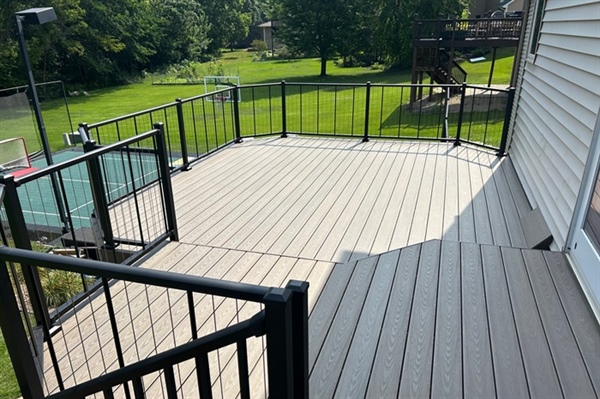
Designing an outdoor deck that is safe for children and pets requires more than meeting basic building codes. Falls, slips, and entrapment injuries are among the most common deck-related hazards, and they often stem from design choices that overlook how kids and animals actually move and play. A well-designed deck balances structural safety, material performance, and layout planning so families can enjoy outdoor spaces with confidence. Builders like Big Deck have seen firsthand how thoughtful design decisions reduce risk while still delivering durable, attractive outdoor living areas.
Key safety considerations include selecting appropriate railing heights and spacing, choosing decking materials that limit slipping and splintering, removing trip hazards, controlling access with gates or barriers, and planning layouts that allow easy supervision. Features such as properly spaced balusters, slip-resistant decking surfaces, enclosed zones, and shaded seating areas all work together to create safer environments. When these elements are planned from the start, decks can function as secure extensions of the home rather than potential danger zones.
Choosing Safe Railing Heights and Baluster Spacing
Guardrail height and baluster spacing play a central role in preventing falls from elevated decks. Building codes in most U.S. jurisdictions require guardrails on decks more than 30 inches above grade, with minimum heights of 36 inches for residential applications. This height reduces the likelihood that a child could topple over the railing during play or climbing. Taller railings also provide a higher barrier for larger dogs that may lean or jump against the perimeter.
Baluster spacing is equally critical. Standard code limits openings to no more than four inches between vertical balusters, a dimension chosen because it prevents a small child’s head from passing through. Wider spacing increases the risk of children squeezing through or pets slipping between rails. Consistent spacing also avoids irregular gaps that could trap limbs, collars, or harnesses.
From a structural standpoint, rigid rail systems anchored to the deck framing provide greater resistance to lateral loads caused by leaning or running impacts. Continuous top rails with smooth profiles reduce injury risk during contact. When railing systems are integrated early in deck planning, safety requirements are met without sacrificing visual openness or airflow, which is why many modern designs integrate engineered railing systems alongside custom deck layouts.
Using Slip-Resistant and Pet-Friendly Decking Materials
Decking surface selection has a direct effect on slip and injury risk. Traditional wood decking can become slick when wet and may splinter as it ages, creating hazards for bare feet and animal paws. Surface degradation is accelerated in climates with freeze-thaw cycles, where moisture penetration leads to cracking and raised grain.
Composite and capped composite decking materials are engineered to provide more consistent traction, even when damp. Many products undergo slip-resistance testing using standardized coefficient-of-friction measurements to verify performance. These materials also resist splintering and checking, which lowers the risk of cuts or embedded debris in paws. Color stability and heat-reflective pigments help keep surfaces cooler during summer use.
Pet-friendly decking materials are also designed to withstand claw abrasion without developing sharp edges or exposed fibers. This durability extends service life while maintaining a safer walking surface. Material choice should account for texture, thermal behavior, and long-term wear rather than appearance alone.
Eliminating Dangerous Gaps, Sharp Edges, and Trip Hazards
Many deck-related injuries occur not from falls, but from trips, pinches, and entrapment points. Open risers on stairs, inconsistent tread heights, and wide board gaps can catch toes, paws, or mobility aids. Safe stair design includes uniform riser heights, closed risers where appropriate, and non-slip tread surfaces.
Deck board spacing should allow for drainage while avoiding excessive gaps. As wood dries and shrinks, gaps can widen beyond their initial spacing, increasing the chance of small paws slipping through. Engineered decking materials offer more predictable dimensional stability, helping maintain consistent spacing over time.
Sharp edges and protruding fasteners are another common hazard. Hidden fastening systems reduce surface interruptions and eliminate exposed screw heads that can snag skin or fur. Rounded board edges and properly finished trim components reduce impact injuries during play and movement across the deck.
Adding Secure Gates, Enclosed Zones, and Safe Access Points
Elevated decks often connect directly to stairs, yards, or secondary levels, creating potential escape routes for children and pets. Secure gates installed at stair entries help prevent unsupervised access and reduce fall risk. Gates designed for outdoor use include self-closing hinges and latching mechanisms that require adult-level dexterity to operate.
Enclosed deck zones provide controlled play areas where children and pets can move freely without exposure to stair openings or edges. These enclosures may integrate railing panels, mesh infill, or solid sections depending on aesthetic and safety goals. The key requirement is maintaining structural integrity while preventing climbing or squeezing through openings.
Safe access points also include door thresholds and transitions between indoor and outdoor spaces. Flush transitions minimize tripping, while durable door hardware prevents accidental lock-ins or unexpected exits during gatherings.
Planning for Shade, Comfort, and Supervision-Friendly Layouts
Safety extends beyond physical barriers to include environmental comfort and visibility. Direct sun exposure can overheat deck surfaces and increase the risk of burns to bare skin or paws. Shade structures such as pergolas, roof extensions, or strategically placed umbrellas moderate surface temperatures and create safer play zones.
Built-in seating and defined activity areas help organize movement across the deck. When seating doubles as perimeter barriers or visual dividers, it subtly guides traffic patterns and discourages unsafe behavior near edges. Open sightlines between seating areas, play zones, and access points allow caregivers to monitor activity without obstruction.
A supervision-friendly layout prioritizes clear views, logical circulation paths, and predictable use zones. When deck design supports easy monitoring, risks are identified and addressed before injuries occur.
How Big Deck Supports Safer Deck Design for Families
Designing a deck that protects children and pets requires coordination between structural planning, material selection, and layout strategy. Big Deck.com applies code-compliant engineering, tested materials, and practical design standards to create outdoor spaces that reduce risk while supporting everyday family use. Their team evaluates railing systems, surface materials, stair construction, and layout flow as a complete system rather than isolated features.
Based in Savage, Minnesota, Big Deck works with homeowners to design decks that reflect real-world use patterns, climate demands, and safety expectations. From controlled access points to durable, low-maintenance surfaces, each project integrates protective features without compromising long-term performance or aesthetics.
Homeowners seeking guidance on safer deck planning can speak directly with the Big Deck team by calling 612-432-7761. To discuss a project or request expert input, visit contact us.
