How to Plan a Deck That Handles Minnesota Weather Year-Round?
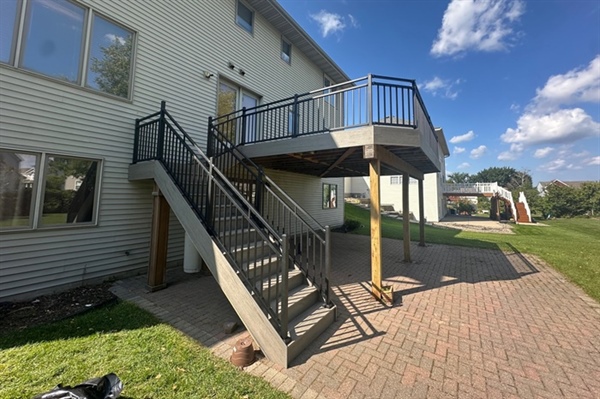
Planning a deck that performs year-round in Minnesota means accounting for heavy snow loads, freeze–thaw cycles, summer humidity, and sharp temperature swings that stress materials and structural systems. A deck that looks solid in June can degrade quickly if moisture management, material stability, and surface protection are not addressed at the planning stage. Builders who work in cold climates rely on material science, building code load requirements, and long-term performance data rather than aesthetics alone when designing outdoor structures.
Big Deck has spent decades building and rebuilding outdoor living spaces across Minnesota, where climate-driven failures are easy to spot and hard to ignore. This guide examines the core planning considerations that determine whether a deck survives year after year or requires premature repairs. Topics include material selection, drainage design, protective finishes, structural coverage decisions, and winter preparation strategies. Each section addresses how decks function under real Midwest conditions, with guidance grounded in construction standards and climate data. You’ll also find references to proven deck designs and decks commonly used in cold-weather regions.
Decking Materials That Perform Under Snow, Ice, and Temperature Swings
Decking materials in Minnesota must tolerate repeated moisture saturation, subzero temperatures, and rapid seasonal expansion and contraction. Pressure-treated lumber remains widely used because modern treatments resist fungal decay and insect damage when properly maintained. However, wood fibers absorb moisture, which can lead to checking, warping, and surface cracking during freeze–thaw cycles. These effects increase when boards are installed too tightly or lack adequate ventilation beneath the deck surface.
Composite decking made from wood fiber and polymer blends performs more predictably under temperature swings. Quality composite boards are engineered with low water absorption rates and controlled thermal expansion. Testing by manufacturers and third-party labs shows composites resist rot and surface degradation better than untreated wood when exposed to snow cover and ice melt runoff. Boards designed for cold climates also retain surface traction in wet and icy conditions, which reduces slip risk during shoulder seasons.
Material choice must also account for load ratings and fastener systems. Snow accumulation can exceed 50 pounds per square foot in parts of Minnesota, making structural compatibility essential. Many custom decks use composite boards paired with galvanized or stainless fasteners to limit corrosion caused by de-icing salts and trapped moisture. Matching material performance to environmental exposure remains the most reliable way to extend service life.
Designing Deck Drainage Systems to Manage Water and Ice
Drainage is one of the most overlooked aspects of deck planning, yet it plays a direct role in structural longevity. Standing water accelerates decay in framing members and increases ice formation during winter. Proper drainage begins with deck slope, typically set between 1/8 and 1/4 inch per foot away from the home, which encourages runoff without creating noticeable surface pitch.
Gaps between decking boards also affect drainage efficiency. Cold-climate decks require spacing that accounts for material movement during seasonal changes. Wood boards are often spaced wider at installation to accommodate swelling, while composite boards rely on manufacturer-specified spacing to avoid buckling. Adequate airflow beneath the deck allows moisture to evaporate rather than freeze against joists and beams.
Under-deck drainage systems can further protect structural elements by diverting water away from framing and footings. These systems are commonly installed in elevated decks to reduce ice buildup beneath the structure and protect adjacent foundations. Proper drainage design reduces freeze-related damage and minimizes long-term maintenance demands.
Protective Finishes That Extend Deck Lifespan
Protective finishes slow moisture penetration and reduce ultraviolet degradation, both of which shorten deck lifespan. Penetrating oil-based sealers remain common for pressure-treated lumber because they soak into wood fibers rather than forming a brittle surface film. Independent durability studies show penetrating finishes perform better in freeze–thaw environments than surface coatings that crack under thermal stress.
Film-forming stains and paints offer stronger UV protection but require more frequent inspection in cold climates. Microfractures caused by temperature shifts allow water intrusion beneath the coating, which can lead to peeling when frozen moisture expands. For this reason, many builders limit film finishes to vertical elements such as railings rather than walking surfaces.
Composite decking does not require sealing, yet protective care still matters. Periodic cleaning prevents organic buildup that traps moisture and promotes surface icing. Manufacturer maintenance guidelines emphasize routine washing and inspection of fasteners to preserve structural integrity over time.
Planning Covered or Partially Covered Deck Areas
Covered deck sections reduce direct snow accumulation and limit moisture exposure, which improves long-term performance. Roof extensions, pergolas with waterproof panels, and screened enclosures help regulate surface wetness and slow material deterioration. Structural planning for coverage must account for additional dead loads and snow drift patterns created by rooflines.
Partial coverage offers flexibility by protecting high-traffic zones while allowing open exposure where snow shedding is acceptable. Engineers often recommend covering entry points, stairs, and seating areas where ice formation presents safety concerns. Covered sections also moderate UV exposure, which reduces surface fading and heat stress on decking materials.
Timing coverage during initial deck construction is structurally simpler than retrofitting later. Load paths, footing sizing, and ledger connections can be designed to support future roof systems without compromising deck performance.
Preparing a Deck for Minnesota Winters
Winter preparation reduces stress on deck materials and framing. Clearing debris before snowfall prevents moisture retention and organic decay. Builders advise removing leaves and soil accumulation from board gaps to maintain drainage paths throughout freeze periods.
Snow removal practices also affect deck longevity. Plastic shovels and push brooms reduce surface abrasion compared to metal tools. Calcium magnesium acetate and similar deck-safe ice melts limit chemical corrosion of fasteners and rail hardware. Studies show chloride-based salts accelerate metal degradation and surface wear when repeatedly applied.
Annual inspections before winter help identify loose fasteners, drainage obstructions, and early signs of structural movement. Big Deck projects in Savage, MN often incorporate winter-accessible inspection points to simplify long-term care. Homeowners who follow manufacturer and builder maintenance guidance experience fewer cold-weather failures over the life of the deck.
Professional Deck Planning Support for Minnesota Conditions
Big Deck.com brings more than 25 years of experience designing outdoor structures that withstand Minnesota’s climate extremes. The company builds decks that address material performance, drainage control, and load requirements from the start. Their approach integrates climate data, building codes, and proven construction methods tailored to seasonal stress.
From material selection to winter preparation strategies, Big Deck helps homeowners plan decks that remain stable, safe, and functional year after year. For project guidance or design consultation, call 612-432-7761 or visit contact us to connect with their team.
