The Evolution of Deck Building: Trends Over the Decades
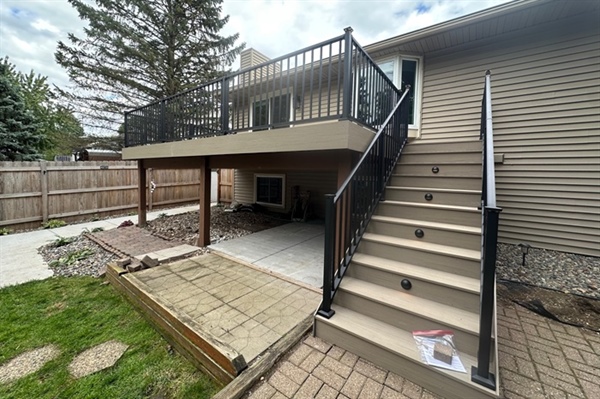
Deck building has undergone a remarkable transformation over the decades. What was once a simple wooden platform attached to a home has evolved into a centerpiece of outdoor living, blending design, engineering, and technology.
Today’s decks aren’t just functional—they’re statements of lifestyle, sustainability, and innovation. Whether it’s the materials used, the complexity of the design, or the tools that bring it all together, each era of deck building has pushed the boundaries of what’s possible. With every passing decade, new trends have influenced how homeowners create outdoor spaces that reflect their tastes, needs, and values.
BigDeck.com has seen firsthand how these trends have evolved and continues to reflect them in their approach. In this article, we’ll explore five key areas that have shaped the evolution of deck building. By understanding these shifts, readers can appreciate how a custom deck is more than a backyard feature—it's a reflection of decades of craftsmanship, innovation, and cultural change.
Whether you're a homeowner planning your next project or an industry professional tracking the latest developments, the story of deck building is full of insights and inspiration worth knowing!
Transitioning from Traditional Lumber to Composite Decking
Historically, decks were constructed almost exclusively from natural wood—redwood, cedar, and pressure-treated pine were among the most common choices. These materials offered strength and aesthetic appeal but demanded regular maintenance, including sealing, staining, and protection against insects and rot.
In the 1990s, composite decking emerged as a game-changer, offering resistance to weather, pests, and decay while mimicking the appearance of wood. Homeowners quickly adopted these synthetic alternatives for their durability and lower maintenance requirements.
As the market evolved, composite technology advanced significantly. Modern products now offer multi-tone finishes, textured grain patterns, and improved resistance to fading and staining. Brands introduced capped composites—boards coated in a protective polymer shell—for added durability. These materials have become a staple of premium outdoor living environments, offering long-term cost efficiency and consistent aesthetics.
This shift in materials redefined how people approach custom decks, allowing for more complex, curved, and multi-level designs without the maintenance overhead of traditional lumber.
Design Preferences and Architectural Styles: A Timeline of Change
Deck design has mirrored broader architectural and lifestyle trends. In the 1970s and 1980s, decks were typically single-level structures attached to suburban homes, emphasizing basic functionality. As outdoor living gained traction in the 1990s and early 2000s, homeowners began integrating built-in seating, planters, and railings to blend form and function.
In recent years, the demand for seamless indoor-outdoor transitions has shaped deck architecture. Contemporary decks feature integrated lighting, privacy screens, under-deck storage, and zones for dining, lounging, and cooking. Minimalist and modern styles with clean lines and neutral palettes dominate upscale markets, while rustic or craftsman-inspired designs remain popular in traditional settings.
Digital Tools and Innovations Transforming Deck Construction
Technology has revolutionized every stage of deck building. In the early days, plans were drawn manually, and construction relied heavily on craftsmanship and on-site adjustments. Today, digital design tools like CAD software, 3D rendering, and virtual walkthroughs enable precise visualization before a single board is cut.
Laser levels, auger drills, and pneumatic framing systems increase accuracy and efficiency on the job site. Fastener technology has also evolved, with hidden fastening systems becoming standard for clean, screw-free surfaces. Meanwhile, construction teams can streamline project management with mobile apps that sync schedules, track deliveries, and ensure compliance with local codes.
This integration of technology into design and execution has elevated both the speed and quality of deck construction, helping builders create structurally sound, visually striking results that align with customer expectations.
Environmental Responsibility Reshaping Material and Design Decisions
As awareness of environmental impact has increased, so too has the demand for sustainable building materials. Homeowners now prioritize decking products made from recycled plastics, reclaimed wood fibers, and low-VOC finishes. Many composite deck boards are manufactured using over 90% recycled content, diverting waste from landfills while delivering high-performance results.
Eco-conscious designs extend beyond materials. Builders incorporate features that reduce heat absorption, promote water drainage, and minimize site disruption. Some designs include rainwater capture systems and native landscaping integration, allowing decks to complement their environment rather than disrupt it. These choices are becoming the norm rather than the exception, driven by consumer expectations, green building certifications, and municipal incentives for eco-friendly construction.
Forecasting the Next Era in Outdoor Living Spaces
Looking ahead, the future of deck design is poised to blend aesthetics, automation, and adaptability. Smart technology is already making its way outdoors, with app-controlled lighting, heating elements, and sound systems becoming popular additions. Adjustable pergolas, retractable screens, and modular furniture systems allow decks to serve multiple functions throughout the year.
As housing trends evolve, so will deck architecture. Expect to see more rooftop and urban balcony decks, space-saving solutions for small yards, and hybrid indoor-outdoor rooms. Material science will continue to improve composites with self-healing surfaces, enhanced textures, and sustainable sourcing.
Build With Experience: Connect With BigDeck.com
From natural wood structures of decades past to today’s multi-level, tech-integrated, composite-clad outdoor spaces, deck building has advanced dramatically. Each innovation in material, style, and technique has shaped how we enjoy our outdoor environments. Whether you're focused on sustainability, smart design, or high-end aesthetics, these shifts matter when planning your next project.
BigDeck.com brings expertise across all phases of deck construction—from material selection and architectural design to advanced build techniques and modern aesthetics. With experience across Savage and surrounding Minnesota communities, we tailor solutions for every home and lifestyle.
To speak with an expert or schedule a consultation, call us today at 612-432-7761 or visit our office located at 5485 135th Street, Savage, MN 55378.
