What Is the Typical Cost Breakdown for a Custom Deck Build and How Can Homeowners Budget Effectively?
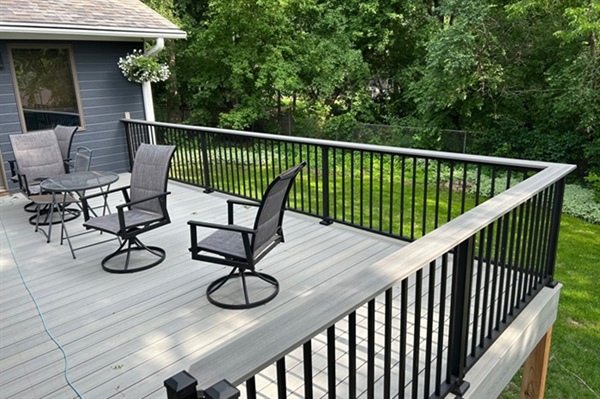
Building a custom deck is one of the most rewarding home improvement projects, offering both added living space and long-term property value. Yet, understanding where every dollar goes can help homeowners make informed choices and avoid budget surprises.
Costs vary widely based on size, materials, and labor rates, but several consistent factors shape every project’s total price. Knowing how to allocate funds — and what to expect before construction begins — is essential to creating a realistic plan.
This guide explains the major cost contributors for a custom deck build, from material and labor distribution to hidden fees and long-term maintenance planning. Each section answers one of the most common questions homeowners ask when preparing to build a deck in Minnesota, drawing on BigDeck.com’s experience designing and installing custom decks that balance performance, durability, and budget control.
Labor vs. Materials: How Each Contributes to Total Deck Cost
Labor typically represents 50–60% of a custom deck’s total cost, with materials accounting for the remaining 40–50%. The exact ratio depends on design complexity, site conditions, and the chosen material. PVC or composite decks often require specialized cutting tools and fastening systems, which can increase labor time compared to traditional wood builds. Multi-level layouts, integrated lighting, and railing systems also add labor hours.
Material costs vary by quality and brand. Pressure-treated lumber remains the most budget-friendly option, while premium products like TimberTech and Azek sit at the high end of the range. These materials can double the base material cost but offer lower lifetime maintenance. Labor expenses in Minnesota typically range from $25 to $45 per square foot, while materials can range from $15 to $60 per square foot, depending on type and design.
Understanding this balance helps homeowners prioritize spending based on their goals: investing in durable materials can offset future maintenance costs, while choosing simpler designs can reduce labor costs without sacrificing quality.
Hidden Costs Homeowners Often Miss: Permits, Inspections, and Site Prep
Hidden costs are frequently overlooked in early deck estimates. Municipal permits in Minnesota typically range from $150 to $600, depending on local regulations and project size. Structural inspections may add another $100–$300. Site preparation—such as clearing vegetation, grading, or demolishing an existing deck—can add $500 to $3,000, depending on terrain and accessibility.
Disposal and cleanup fees can also surprise homeowners. Old lumber, concrete footings, and debris removal require transport and landfill costs, which can run several hundred dollars. Complex sites needing deep post holes or retaining walls may require specialized labor or equipment, further increasing costs.
Accounting for these variables during early planning helps prevent budget overruns. An experienced contractor will include all anticipated expenses in a transparent proposal, avoiding costly surprises midway through construction.
Material Selection: How Composite, Wood, and Hybrid Decks Shift Cost Curves
Material choice has the single largest impact on a deck’s cost curve. Wood decks — especially those built with pressure-treated pine — have the lowest initial investment, averaging $15–$25 per square foot for materials. However, ongoing maintenance, such as staining, sealing, and periodic board replacement, adds up over time.
Composite materials like TimberTech and Azek typically cost between $40 and $60 per square foot for materials but require almost no maintenance beyond periodic cleaning. Hybrid decks that mix composite surfaces with wood framing can offer a middle ground: moderate upfront cost with reduced upkeep.
Homeowners weighing cost versus longevity often find that premium materials pay off after 10–12 years, when the lower maintenance and longer lifespan offset higher initial expenses. For many in Minnesota’s climate, composites perform best because they resist moisture, freezing, and UV degradation far better than untreated wood.
Financing and Payment Options for Big Deck Projects in Minnesota
Large-scale custom decks can represent a significant investment, but several financing options can make budgeting manageable. Many Minnesota contractors, including BigDeck.com, partner with lenders who specialize in home improvement loans with flexible terms and competitive rates. Home equity loans and lines of credit remain popular choices due to favorable interest rates and potential tax benefits.
Some homeowners opt for staged payments that align with project milestones: a deposit at contract signing, a mid-project payment at structural completion, and a final payment upon inspection and approval. Financing providers may also offer promotional zero-interest plans for short-term repayment, depending on credit eligibility.
By exploring available financing before construction begins, homeowners can align payment schedules with project timelines and maintain financial flexibility throughout the build.
Planning for Future Maintenance and Lifecycle Costs
A well-planned deck budget extends beyond construction. Wood decks require regular maintenance every 2–3 years, including staining and sealing, which can cost $2–$3 per square foot. Composite and PVC materials, while nearly maintenance-free, still need periodic cleaning to remove dirt and pollen buildup. Homeowners should allocate annual funds for upkeep to preserve the deck’s appearance and safety.
Lifecycle costs also include structural longevity. Properly installed premium decks can last 25–50 years with minimal repairs, while lower-end wood decks often need resurfacing or replacement within 10–15 years. Factoring in these intervals helps homeowners determine the most cost-effective materials for their budget horizon.
Budgeting for the full life of the deck — not just the build — provides financial clarity and prevents deferred maintenance that can lead to costly repairs later. Homeowners who track lifecycle expenses make smarter long-term investments in outdoor living spaces.
Building Smart: How BigDeck.com Helps Minnesota Homeowners Budget Effectively
At BigDeck.com, we specialize in transparent, data-driven deck planning for homeowners throughout the Twin Cities and surrounding communities. Every project begins with a detailed cost breakdown that includes labor, materials, permits, and contingencies, eliminating guesswork and ensuring homeowners understand every aspect of their investment. By combining high-quality materials with efficient construction practices, we create decks that align perfectly with both lifestyle and budget goals while providing long-lasting durability and aesthetic appeal.
Homeowners can schedule a consultation to explore design options, compare premium materials, and receive itemized estimates tailored specifically to their property. To begin planning your custom deck or request an estimate, call 612-432-7761 or reach out online. With BigDeck.com, residents across the Twin Cities region can transform their outdoor spaces into beautiful, functional, and long-lasting extensions of their homes.
