What Maintenance Should Be Performed Annually on a Maintenance-Free Deck To Maximize Lifespan?
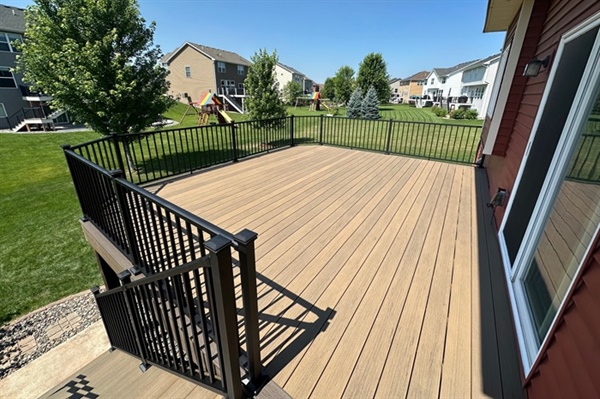
Even maintenance-free decks benefit from seasonal attention. While premium composites such as TimberTech and Azek are engineered to resist rot, fading, and staining, annual care helps maintain their appearance and structural integrity over decades of use.
Proper cleaning, inspection, and protection ensure these decks continue performing as designed through Minnesota’s changing seasons. This guide outlines the essential yearly maintenance steps that protect your investment.
Below, we'll cover practical fall and spring routines, cleaning best practices, inspection checkpoints, and when even the highest-quality materials might need rejuvenation. Drawing on BigDeck.com’s experience building custom decks, our recommendations specifically apply to both composite and PVC systems.
Fall and Spring Checklists to Preserve Deck Surface and Structure
Seasonal maintenance is best performed twice a year — once in early spring and again in late fall. During spring, remove debris accumulated over winter, such as leaves, branches, and dirt trapped between boards. This allows proper drainage and prevents mold growth. Check that expansion gaps remain clear to accommodate temperature changes as the deck warms.
In the fall, prepare the surface for freezing conditions. Sweep thoroughly, inspect for blocked weep holes, and verify that water drains away from the deck foundation. Clean any organic buildup before snow arrives, since trapped moisture can freeze and expand, stressing fasteners and joists. Railings and stairs should be tested for movement or looseness after heavy summer use.
Following a seasonal schedule minimizes long-term wear and identifies small issues before they lead to costly repairs. Regular observation remains the simplest yet most effective way to maximize the lifespan of composite decking.
Recommended Cleaning Products and Methods for Premium Composite Decks
Even low-maintenance decking needs periodic cleaning to remove grime, pollen, and spills. The best practice involves rinsing the surface with a garden hose and applying a mild soap or composite deck cleaner diluted per manufacturer instructions. Use a soft-bristle brush to scrub lightly in the direction of the grain, then rinse thoroughly with clean water.
Avoid pressure washers exceeding 1,500 PSI and stay at least 8–10 inches from the surface to prevent scarring. Harsh chemicals, bleach, or oil-based detergents can strip protective coatings or discolor the boards. For stubborn stains such as grease or sunscreen, composite-safe cleaners containing oxalic acid or sodium percarbonate are effective without damaging the finish.
Brands like TimberTech and Azek provide product-specific maintenance guides recommending approved cleaners. Consistent use of compatible cleaning solutions helps maintain color uniformity and preserves the manufacturer's warranty.
Inspecting Footings, Railings, and Fasteners Over Time
A yearly structural inspection ensures that hidden issues don’t compromise safety. Start by checking the base posts and footings for soil erosion, frost heave, or settling. Verify that all hardware connections remain tight and corrosion-free, especially where metal meets composite. Stainless steel or coated fasteners should be examined for rust and replaced if necessary.
Railings, stair stringers, and joists experience cyclical stress from temperature changes and use. Tighten or replace loose hardware and confirm that support posts remain plumb. Look for signs of joist hanger corrosion or separation between framing and decking boards. For composite decks, fastener heads should sit flush without lifting, which indicates healthy substructure integrity.
A careful annual inspection extends both safety and performance, especially in regions like Minnesota, where freeze-thaw cycles test construction durability year after year.
Weather Extremes: How Heat, Cold, and Moisture Affect Composite Decks vs. Wood
Composite materials respond differently to weather extremes than natural wood. In high heat, PVC-based products expand slightly but return to shape once temperatures stabilize. Wood, in contrast, absorbs moisture and contracts as it dries, leading to warping or cracking over time. Proper spacing during installation allows composites to flex naturally without damage.
Cold weather introduces contraction but rarely affects composite strength. Snow and ice should be cleared using a plastic shovel rather than metal tools to avoid surface scratching. While composites are moisture-resistant, prolonged pooling water may cause discoloration of debris on the surface, emphasizing the need for regular cleaning.
Overall, composites outperform wood in both moisture resistance and dimensional stability. Their closed-cell structure prevents water intrusion, making them ideal for harsh Minnesota winters and humid summers alike.
When Refinishing, Resurfacing, or Refresh-Coating Might Be Required
Premium decking requires far less maintenance than wood, but even top-tier materials occasionally benefit from a surface refresh. After 10–15 years, light sanding or specialized polymer coatings can restore faded luster on older boards. Some manufacturers offer refresh kits designed to recondition worn surfaces without voiding warranties.
Resurfacing typically applies when the deck structure remains sound but the top boards show wear. Composite overlay systems or new capping layers can rejuvenate an older deck at a fraction of full replacement cost. Refinishing is rarely necessary for full-PVC materials like Azek, but hybrid composites may need a protective topcoat if exposed to excessive UV for extended periods.
Consult the manufacturer's maintenance schedules before applying any coating or treatment. Adhering to these recommendations helps maintain warranty coverage and maximizes the deck’s service life.
Preserving Performance Year After Year with BigDeck.com
For decades, BigDeck.com has built its reputation on creating outdoor spaces that combine deck design precision with long-term reliability. By educating homeowners on proper maintenance practices, we ensure every TimberTech or Azek installation remains as durable as the day it was built.
Whether cleaning guidance or annual inspection advice, BigDeck.com provides the expertise needed to maintain high-end decks for decades. For questions about maintenance schedules or to request an inspection, contact us today!
