What Should Minnesota Homeowners Know Before Building a Custom Deck?
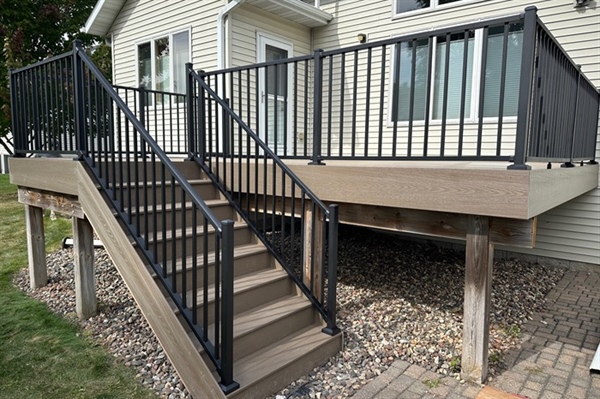
Building a custom deck in Minnesota involves more than choosing a layout and materials. Homeowners must account for local building codes, permit rules, soil conditions, seasonal weather extremes, and long-term performance expectations. A well-designed deck must safely handle snow loads, freeze–thaw cycles, and ground movement while still supporting daily use, gatherings, and outdoor living needs. These factors directly influence structural design, footing depth, material selection, and inspection requirements.
Big Deck.com has spent decades working with Minnesota homeowners who want outdoor spaces that last. Before moving forward with custom decks, it’s critical to understand how regulations, site conditions, functional design features, climate demands, and contractor vetting shape the outcome of a project. The following sections address the most important questions homeowners should answer before committing to a custom deck build.
What Minnesota Building Codes and Permit Requirements Apply to Deck Construction?
In Minnesota, most deck projects require a building permit issued by the local municipality. Decks attached to a home, elevated more than 30 inches above grade, or supporting roofs or screened enclosures must comply with the Minnesota Residential Code (MRC), which is based on the International Residential Code with state-specific amendments. Permits typically require detailed drawings that show footing depth, ledger attachment, beam sizing, railing height, stair geometry, and guard spacing.
Footings must extend below the frost line, which in Minnesota is generally 42 inches. This requirement prevents frost heave, a common cause of deck failure in cold climates. Guardrails are required for decks more than 30 inches above grade and must be at least 36 inches high with baluster spacing that prevents a 4-inch sphere from passing through. Stair riser height, tread depth, and handrail placement are also strictly regulated.
Municipal inspections occur at multiple stages, often including footing inspection before concrete placement and final inspection after completion. Homeowners planning custom decks should verify local zoning setbacks, easements, and lot coverage limits, as these can vary by city and directly affect deck size and placement.
How Slope, Soil Type, and Drainage Conditions Affect Deck Design
Site conditions play a major role in determining how a deck is engineered and built. Sloped lots may require stepped footings, helical piers, or multi-level framing to maintain structural stability. In areas with significant grade changes, improper footing placement can lead to uneven settling and long-term movement.
Soil composition is equally important. Minnesota soils range from clay-heavy soils that retain moisture to sandy soils with lower load-bearing capacity. Clay soils expand when wet and contract during dry or frozen periods, which increases the need for properly sized footings and reinforced support systems. Poor soil conditions may require deeper footings or alternative foundation solutions.
Drainage must be addressed during design, not after construction. Decks built over poorly drained areas can trap moisture against framing members, accelerating decay and corrosion. Proper grading, water runoff planning, and ventilation beneath the deck structure help extend the life of framing components and surface materials.
Which Design Features Add the Most Functional Value to a Custom Deck?
Functional value in a custom deck comes from thoughtful design rather than size alone. Built-in seating reduces the need for bulky furniture and maximizes usable space. Integrated stairs and multi-level platforms improve traffic flow and create defined zones for dining, lounging, or grilling.
Railings contribute both safety and usability. Aluminum, composite, and cable rail systems preserve sightlines while meeting code requirements. Built-in lighting along stairs, railings, and seating improves nighttime visibility and extends deck usability beyond daylight hours.
Other high-value features include privacy screens, pergolas, and covered sections that provide shade and wind protection. Storage solutions built into benches or under elevated decks help homeowners manage seasonal furniture and equipment without cluttering the yard.
How Minnesota’s Climate Impacts Deck Material Selection
Minnesota’s wide temperature swings place heavy demands on decking materials. Freeze–thaw cycles cause expansion and contraction that can crack untreated wood and loosen fasteners. Snow accumulation adds significant weight, requiring materials and framing systems rated for higher load capacities.
Pressure-treated lumber remains common but requires regular sealing and maintenance to resist moisture intrusion, rot, and surface checking. Composite and PVC decking materials offer greater resistance to moisture, insects, and temperature-related movement, making them well-suited for long-term performance in northern climates.
Color selection also matters. Dark decking absorbs more heat during summer months, while lighter tones remain more comfortable underfoot. Material warranties, slip resistance, and compatibility with hidden fastening systems should be evaluated alongside climate performance.
What Questions Homeowners Should Ask Before Hiring a Deck Builder
Before signing a contract, homeowners should confirm that the builder is licensed, insured, and experienced with Minnesota code requirements. Ask how permits are handled, whether inspections are scheduled by the contractor, and how code compliance is verified throughout the build.
Material specifications should be clearly documented, including brand names, product lines, fasteners, and warranty coverage. Homeowners should also ask how site conditions will be addressed and whether design changes are documented in writing.
Clear communication expectations, project timelines, payment schedules, and warranty terms should be established upfront. Speaking directly with Big Deck.com allows homeowners to confirm experience, transparency, and familiarity with complex deck projects in Minnesota.
Work With a Minnesota Deck Builder Who Understands Every Detail
Big Deck.com has been building custom decks across Minnesota for more than 25 years, with a focus on structural integrity, code compliance, and long-term performance. From permitting and soil evaluation to material selection and functional design, their team manages every phase of the process with precision.
Based in Savage, Minnesota, Big Deck.com serves homeowners throughout the Twin Cities metro area. If you’re planning a new deck or replacing an existing structure, their experienced team provides in-person consultations, transparent pricing, and proven construction methods.
To speak with a deck specialist, call 612-432-7761. You can also reach out online through their contact us page to schedule a consultation.
