How Deck Orientation Affects Sun Exposure, Snow Melt, and Usability
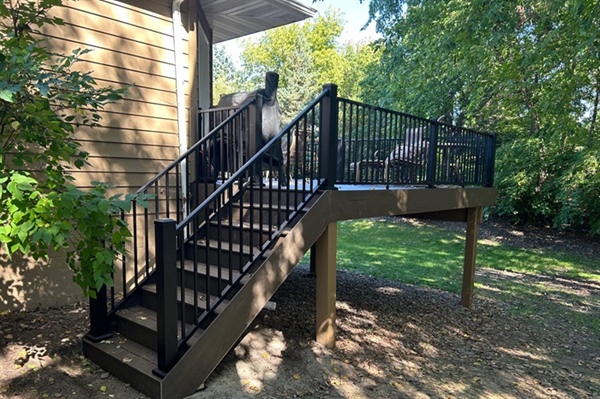
Deck orientation plays a measurable role in how an outdoor space performs throughout the day and across the seasons. The direction a deck faces determines how much direct sunlight it receives, how quickly surfaces warm up or cool down, and how long moisture or snow remains after storms. In climates with strong seasonal contrast, such as Minnesota, these factors influence safety, comfort, and how often a deck can realistically be used.
Homeowners planning a new deck or evaluating an existing one often notice patterns that repeat every year: icy patches that linger well into spring, surfaces that become uncomfortably hot in midsummer, or areas that remain shaded even on clear days. Understanding how orientation affects sun exposure, snow melt, and day-to-day usability helps explain why those patterns occur. Big Deck has documented these performance differences across many custom decks, revealing how directional layout interacts with climate, materials, and design choices.
Understanding Deck Orientation: North, South, East, and West Facing Layouts
The direction a deck faces determines how the sun reaches it over the course of a day. South-facing decks receive the most consistent sunlight, particularly between late morning and mid-afternoon when the sun is highest in the sky. This exposure remains strong during winter months because the sun’s lower angle still reaches south-facing surfaces directly. As a result, these decks tend to be brighter and warmer for longer periods.
East-facing decks receive early morning sun and transition into shade by early afternoon. This pattern favors cooler afternoon conditions but limits heat accumulation later in the day. West-facing decks experience the opposite effect, remaining shaded in the morning and absorbing intense sunlight during the late afternoon and early evening. North-facing decks receive the least direct sunlight, often relying on reflected or indirect light, especially in winter when the sun stays low.
Seasonal exposure changes amplify these differences. In summer, high sun angles increase total solar gain on west- and south-facing decks, while in winter, north-facing decks may receive minimal direct sunlight for weeks at a time. These predictable solar paths explain why orientation is one of the first variables considered in deck layout planning.
Sun Exposure and Temperature Comfort Throughout the Day
Sun exposure directly affects surface temperature, air temperature, and perceived comfort on a deck. South- and west-facing decks accumulate more solar energy, which raises surface temperatures on wood, composite, and fasteners. On hot summer days, this can make certain materials uncomfortable to walk on without footwear, particularly darker composites that absorb more heat.
East-facing decks tend to warm quickly in the morning and stabilize by afternoon, creating a balanced comfort profile during warmer months. North-facing decks remain cooler throughout the day, which can be beneficial during peak summer heat but less inviting during spring and fall when ambient temperatures are lower. These temperature differences are consistent and repeatable because they are driven by solar geometry rather than weather variation.
Winter conditions reverse some comfort expectations. South-facing decks often feel noticeably warmer on sunny winter days due to direct solar gain, while shaded decks remain cold even when air temperatures rise slightly. This relationship between orientation and heat retention influences how long outdoor spaces remain usable during shoulder seasons.
How Orientation Influences Snow Accumulation and Melt Speed
Snow accumulation and melt rates are strongly affected by how much direct sunlight reaches a deck surface. South-facing decks receive consistent winter sunlight, which accelerates snow melt even when air temperatures remain below freezing. Solar radiation warms the deck surface enough to break the bond between snow, ice, and decking material.
North-facing and heavily shaded decks may retain snow and ice for extended periods because they lack direct solar exposure. Meltwater can refreeze overnight, increasing slip risk and prolonging maintenance needs. This effect is well documented in cold-climate deck performance studies and is especially relevant in areas with frequent freeze-thaw cycles.
East- and west-facing decks fall between these extremes. Morning sun on east-facing decks initiates melt earlier in the day, while west-facing decks benefit from late-afternoon warming. Orientation alone does not eliminate snow management needs, but it significantly alters how often manual clearing is required.
Seasonal Usability: Maximizing Outdoor Time Year-Round
Usability across seasons depends on a balance between sunlight, shade, and thermal comfort. South-facing decks often provide the longest annual usage window because they remain usable earlier in spring and later into fall. Direct sunlight increases perceived warmth, making cooler days more comfortable without supplemental heating.
During peak summer months, however, excessive sun exposure can reduce usability during midday and afternoon hours. West-facing decks, in particular, may become uncomfortable in late summer afternoons due to prolonged exposure to low-angle sun. These conditions influence how homeowners schedule outdoor activities and which parts of the deck they favor at different times.
North- and east-facing decks offer more stable summer comfort but may see reduced use during colder months. Understanding these trade-offs allows orientation to be matched with intended use patterns, such as morning dining, evening gatherings, or year-round access.
Design Adjustments for Problematic Exposure
Design modifications can offset challenges created by less favorable orientations. Shade structures such as pergolas reduce heat buildup on south- and west-facing decks by filtering direct sunlight without eliminating airflow. Adjustable louvers and retractable canopies allow seasonal control of sun exposure.
Wind breaks and privacy walls improve comfort on exposed decks by reducing convective heat loss during cooler months. Material selection also plays a role. Lighter-colored decking reflects more solar radiation, while textured surfaces improve traction in shaded or moisture-prone areas.
Drainage design influences how quickly water and melt runoff leave the deck surface. Proper slope, spacing, and substructure ventilation reduce ice formation and extend surface lifespan. When these adjustments are integrated with orientation-aware planning, overall usability improves regardless of directional constraints.
Working With Experienced Deck Professionals
Orientation-related performance is best addressed during planning, not after construction. Big Deck.com applies over two decades of field experience to evaluate sun paths, prevailing winds, and seasonal conditions unique to Savage, MN. This allows orientation, materials, and structural details to be coordinated rather than treated as isolated decisions.
From layout analysis to material selection, the goal is to create outdoor spaces that remain safe, comfortable, and durable across Minnesota’s full seasonal range. Homeowners seeking guidance on orientation, snow management, and long-term usability can speak directly with Big Deck by calling 612-432-7761.
To discuss project-specific considerations or request a consultation, visit contact us.
