How Do You Choose Between New Custom Decks and Re-Decking an Existing Deck?
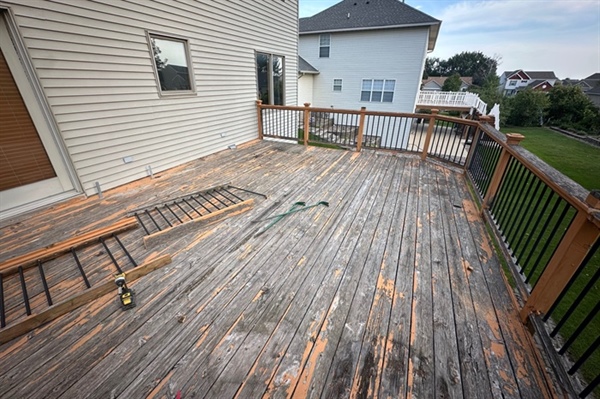
Homeowners facing deck repairs often reach a turning point where surface fixes are no longer enough. Weather exposure, aging materials, and evolving outdoor living needs can all raise the same question: is it time for a completely new structure, or can re-decking extend the life of what’s already there? Understanding how to choose between new construction and re-decking requires a clear look at structural condition, long-term costs, safety concerns, and performance expectations. Big Deck has spent decades working with Minnesota homes, where freeze-thaw cycles and moisture place added demands on deck construction decisions.
This article breaks down how homeowners can make that choice with confidence by examining clear rebuild warning signs, cost comparisons, structural limitations, and modernization options. The discussion also explores which material upgrades deliver the strongest long-term value when replacing deck boards and rail systems. Whether evaluating full custom decks or assessing re-decking potential, these five questions provide a practical framework for making informed decisions grounded in proven construction standards.
Signs Your Deck Requires a Full Rebuild Instead of Re-Decking
A deck typically requires a full rebuild when deterioration extends beyond surface boards into the structural framework. Indicators include widespread rot in joists or beams, visible sagging between support posts, or movement when weight is applied. These symptoms point to compromised load paths that re-decking cannot correct, since replacing deck boards does not address weakened framing beneath.
Fastener failure is another critical sign. Corroded connectors, rusted lag bolts, and splitting ledger boards reduce the deck’s ability to remain securely anchored to the home. In climates like Minnesota, repeated moisture exposure accelerates metal fatigue and wood decay, making structural failure more likely over time. When attachment points fail inspection standards, rebuilding becomes the only compliant solution.
Decks built under outdated building codes also present rebuild scenarios. Older structures may lack proper footings, lateral load connectors, or beam sizing required by modern safety standards. In these cases, replacing boards alone would leave foundational issues unresolved, making full reconstruction a safer and more durable option commonly associated with long-lasting custom decks.
Cost Comparison Between New Deck Construction and Re-Decking
Re-decking generally costs less than new construction because the existing structural frame, footings, and ledger connections are reused when they meet current standards. Labor is reduced since demolition is limited to surface materials, and material costs are confined to decking boards, railings, and fasteners. This makes re-decking attractive when framing remains structurally sound.
New deck construction carries higher upfront costs due to excavation, footings, framing lumber, engineering requirements, and permitting. However, cost comparisons should account for lifespan. A rebuilt deck provides a full service life, while re-decking extends the remaining years of an existing frame. When framing is already approaching the end of its usable life, re-decking may only delay inevitable replacement.
Budget decisions also depend on design changes. Expanding footprint size, altering elevation, or adding features like multi-level layouts automatically shift projects toward new construction. In contrast, surface replacement projects focused on material upgrades and safety improvements align more closely with re-decking cost structures.
Structural Problems That Require a New Custom Deck
Certain structural deficiencies cannot be corrected without dismantling the existing deck. Improper footing depth, missing frost protection, or undersized concrete piers undermine long-term stability. These conditions create uneven settling and seasonal movement that surface replacements cannot correct.
Ledger board failures are another rebuild-only issue. If water intrusion has caused rot where the deck attaches to the house, rebuilding is required to restore a secure load transfer. Modern construction standards require specific flashing, spacing, and fastener patterns that older decks often lack.
Load capacity limitations also drive rebuild decisions. Older decks were frequently designed for lighter use and cannot safely support modern materials, furniture loads, or gatherings. Reinforcing framing in place is often impractical, making full replacement the only code-compliant solution.
How Re-Decking Can Modernize an Older Deck
Re-decking offers a practical way to update appearance and performance when structural framing remains viable. Replacing worn wood boards with composite or PVC materials immediately improves durability, slip resistance, and moisture protection. Modern railing systems also enhance safety while opening sightlines.
Functionality upgrades are another benefit. Wider stairs, integrated lighting, and updated railing heights can be incorporated without rebuilding the entire structure. These changes align older decks with current use patterns while preserving the original footprint.
Surface materials also influence temperature retention and maintenance demands. Modern decking products resist fading, staining, and splintering, reducing upkeep while delivering a contemporary aesthetic that extends usability across seasons.
Material Upgrades That Deliver the Highest Re-Decking Value
Composite decking consistently provides strong return on investment due to its long service life and minimal maintenance requirements. Unlike traditional wood, composite boards resist rot, insect damage, and moisture absorption, reducing long-term replacement costs.
Aluminum and composite railing systems also add measurable value by improving safety and durability while maintaining visual appeal. These systems outlast pressure-treated options and comply with current building codes without frequent refinishing.
Upgrading fasteners, joist tape, and water management components further protects existing framing. When paired with quality surface materials, these improvements help extend the remaining life of the structure and align with best practices outlined by Big Deck.
Professional Guidance for Deck Rebuilds and Re-Decking Decisions
Choosing between a full rebuild and re-decking requires accurate evaluation of structure, safety, and long-term performance. Big Deck.com brings more than 25 years of experience working with Minnesota homes, providing clear assessments rooted in building science and local code requirements. From diagnosing framing issues to recommending material upgrades, each project is approached with durability and usability in mind.
Homeowners in Savage and surrounding communities rely on clear guidance when weighing cost, lifespan, and design flexibility. To discuss options or schedule an evaluation, call 612-432-7761 or visit contact us.
